Introduction to Chinese Money Plant (Pilea Peperomioides)
The Chinese Money Plant, scientifically known as Pilea peperomioides, is cherished for its round, coin-shaped leaves. It is also commonly referred to as the Pancake Plant or UFO Plant due to the intriguing shape of its foliage.
Originating from Southern China, specifically at the foot of the Himalayas, this plant thrives in a subtropical climate. In its native habitat, Pilea peperomioides grows as a perennial herb and benefits from the region’s moderate moisture and mild temperatures.
Its attractiveness as a houseplant has skyrocketed, largely due to its minimal care requirements and ease of propagation. Gardeners and houseplant enthusiasts favor it because it not only adds a touch of greenery to interiors but also serves as an excellent plant for beginners. The plant’s ability to produce offshoots, known as “pups,” makes it easy to share with friends or expand your own collection.
| Attributes | Details |
| Botanical Name | Pilea peperomioides |
| Common Name | Chinese money plant, Coin plant, friendship plant |
| Family | Urticaceae |
| Plant Type | Perennial |
| Mature Size | 12 in tall, 8 to 12 in wide |
| Sun/Light Exposure | Partial sun |
| Soil Type | Well-draining |
| Soil pH | Acidic, neutral |
| Bloom Time | Spring |
| Flower Color | White |
| Native Area | China |
Ideal Growing Conditions for Chinese Money Plant

Light Requirements
Bright, indirect light is essential for the Chinese Money Plant. This plant thrives in well-lit areas but should not be exposed to direct sunlight for prolonged periods, as it can scorch the leaves. Insufficient light can result in leggy growth and small, pale leaves.
For optimal placement:
- Position the plant about 2 meters from a south-facing window.
- Alternatively, place it near east or west-facing windows.
If you notice the plant stretching towards the light source, it’s a sign it needs more light. On the other hand, yellowing leaves often indicate too much direct sunlight.
Temperature and Humidity
Average household temperatures are generally suitable for Pilea peperomioides. The ideal temperature range is between 60°F and 75°F. Sudden temperature changes, such as drafts or cold snaps, can stress the plant, so keep it away from heating vents, baseboards, and drafty windows.
Humidity is another crucial factor. Pilea peperomioides prefers moderate to high humidity levels. While it can tolerate average indoor humidity, boosting the moisture in the air during drier months will benefit its health.
To maintain suitable humidity:
- Use a humidity tray or a room humidifier.
- Group multiple plants together to create a micro-environment with higher humidity.
Optimal Conditions Summary
| Factor | Details |
|---|---|
| Light | Bright, indirect light. Keep 2 meters from a south-facing window or near east or west-facing windows. |
| Temperature | 60°F to 75°F. Avoid sudden temperature changes. |
| Humidity | Moderate to high. Use a humidity tray or room humidifier if needed. |
Soil and Potting Needs of Chinese Money Plant
Well-Draining Soil
Using well-draining soil is crucial for the health of Pilea peperomioides. This plant is highly susceptible to root rot if left in waterlogged soil. A rich, high-quality organic mix that is either peat-based or coir-based is ideal. These components help retain moisture without becoming overly saturated, thus ensuring proper hydration and aeration.
Amending with Perlite
To further improve soil drainage, incorporating perlite is highly recommended. Perlite is a lightweight volcanic glass that, when added to your potting mix, enhances its aeration and drainage capabilities. Aim to mix roughly one part perlite with three parts of your chosen organic potting mix. This balance will keep the soil loose, preventing it from compacting around the plant’s roots.
Ideal Soil pH
For optimal growth, ensure the soil’s pH level falls between 6.0 and 7.0. This slightly acidic to neutral range allows the plant to efficiently absorb nutrients. You can test your soil’s pH and amend it if necessary. If the pH is too low, adding agricultural lime can raise it. Conversely, if it’s too high, incorporating sulfur or peat can lower the pH.
Key Components for an Ideal Potting Mix
Ensure your potting mix includes these five key components:
- Peat or Coir: Retains moisture while ensuring good drainage.
- Perlite: Enhances aeration and prevents soil compaction.
- Compost: Provides essential nutrients for healthy plant growth.
- Pine Bark: Adds structure and further improves drainage.
- Vermiculite: Helps retain water and nutrients.
Summary Table
| Attribute | Details |
|---|---|
| Soil Type | Rich, organic, well-draining, peat or coir-based |
| Amendment | Perlite for improved drainage |
| Soil pH | 6.0 to 7.0 |
Watering and Fertilizing Chinese Money Plant

Watering Needs
Watering the Chinese Money Plant correctly is essential for its health. A good rule of thumb is to water the plant when the top inch of soil feels dry. This ensures that the plant gets enough moisture without becoming waterlogged, which can lead to root rot. Drooping leaves are a clear sign that it’s time to water.
To water effectively:
- Water thoroughly until excess drains out from the pot’s bottom.
- Allow the plant to drain completely and avoid letting it sit in standing water.
- Use room temperature water to avoid shocking the root system.
Overwatering and underwatering can both harm the plant. Signs of overwatering include yellow leaves and soggy soil, while brown, crispy leaves generally indicate underwatering.
Fertilizing Requirements
Fertilizing helps the Chinese Money Plant grow strong and healthy. During the spring and summer months, feed the plant with a balanced, all-purpose fertilizer once a month. Be sure to dilute the fertilizer to half the recommended strength on the product label to avoid over-fertilizing, which can burn the roots.
Fertilizing needs change with the seasons:
- In spring and summer, monthly feeding supports vigorous growth.
- In fall and winter, the plant’s growth slows down, so fertilizing is unnecessary. Over-fertilizing during this period can lead to nutrient buildup and soil toxicity.
Seasonal Care Schedule
Proper watering and fertilizing schedules based on the season help maintain optimal plant health. Here’s an overview:
| Season | Watering Frequency | Fertilizing Schedule |
|---|---|---|
| Spring | Every 1-2 weeks | Monthly |
| Summer | Every 1-2 weeks | Monthly |
| Fall | Every 2-3 weeks | None |
| Winter | Every 2-3 weeks | None |
Following these guidelines on watering and fertilizing will help you grow a healthy and thriving Chinese Money Plant with minimal effort.
Propagating Pilea Peperomioides
Propagation by Offshoots
Offshoots, often referred to as “pups,” are small plants that grow from the root system and stem nodes of the main plant. Identifying these offshoots is straightforward. Look for new shoots emerging from the soil next to the parent plant. These pups are usually a few inches tall and have their own small root system.
To propagate via offshoots:
- Wait for the Right Size: Ensure the offshoot is at least 2-3 inches tall. This size indicates it has developed a sufficient root system for transplantation.
- Prepare the Tools: Use sterilized scissors or pruning shears to avoid infecting the plant.
- Cut Carefully: Gently dig around the base of the offshoot to expose its roots. Cut the offshoot from the parent plant, making sure to include as many roots as possible.
- Plant the Offshoot: Place the offshoot in a small pot filled with well-draining soil. Water it lightly to help it settle.
- Provide Adequate Care: Keep the newly potted offshoot in a bright, indirect light location and maintain moderate soil moisture.
Propagation in Water
Water propagation is another effective method. This allows you to observe root development and can be particularly useful if the offshoot doesn’t have a well-established root system yet.
To propagate in water:
- Identify the Offshoot: As with soil propagation, ensure the pup is around 2-3 inches tall.
- Cut the Offshoot: Use sterilized scissors or pruning shears to cut the offshoot from the parent plant.
- Place in Water: Fill a small glass or jar with room temperature water. Place the offshoot in the water, ensuring only the roots or base stem is submerged. The leaves should remain above water to prevent rot.
- Monitor Root Development: Change the water every few days to keep it fresh. Within a few weeks, roots should start developing. Wait until the roots are a few inches long before transferring the offshoot to soil.
- Transfer to Soil: Once sufficient roots have developed, plant the offshoot in a pot with well-draining soil. Water it lightly to help it acclimatize to the new environment.
Essential Tools and Materials for Propagation
- Sterilized Scissors or Pruning Shears: For cutting offshoots cleanly.
- Small Pots: For planting new offshoots.
- Well-Draining Soil: Ensures healthy growth post-transplantation.
- Small Glass or Jar: For water propagation.
- Fresh Water: To keep the offshoot healthy during water propagation.
Propagating Pilea Peperomioides is an enjoyable and straightforward process. Whether you choose to propagate through offshoots or water, these steps will help you successfully grow new plants with minimal effort.
Common Problems and Solutions

Identifying Common Issues
Curling Leaves: One common issue with Pilea peperomioides is leaf curling, often due to environmental stress. Insufficient light can cause leaves to curl and bend towards the light source. High room temperatures or dry air can also lead to curling leaves. Improper watering practices, either too little or too much, can exacerbate this issue.
Discolored Leaves: Yellowing or browning leaves typically indicate a problem with water or light. Yellow leaves often suggest overwatering, while brown, crispy edges usually point to underwatering. Discolored leaves can also signal that the plant is stressed due to environmental factors, such as cold drafts or exposure to direct sunlight for extended periods.
Root Rot: Root rot is primarily caused by overwatering and poor soil drainage. Symptoms include yellowing leaves, soggy soil, and a foul odor emanating from the pot. Stunted growth and wilting can also be signs of root rot. It’s crucial to identify and treat root rot early to prevent it from spreading through the plant.
Solutions to Common Problems
Solutions for Leaf Curling and Discoloration:
- Adjust Light Levels: Ensure the plant is getting bright, indirect light. If it’s placed too far from a light source, move it closer or supplement with artificial lighting. Avoid direct sunlight that can scorch the leaves.
- Control Temperature and Humidity: Maintain a stable temperature between 60°F and 75°F and ensure moderate humidity. Use a humidifier or a humidity tray if the air is too dry.
- Proper Watering: Verify that you’re watering correctly. Allow the top inch of soil to dry out before watering again. Use room temperature water and ensure the pot drains thoroughly.
Preventing and Treating Root Rot:
- Improve Drainage: Use a well-draining potting mix and ensure your pot has adequate drainage holes. Consider adding perlite to the soil mixture to enhance aeration.
- Repotting: If root rot is detected, remove the plant from its pot and carefully trim away the affected roots using sterilized scissors. Repot the plant in fresh, well-draining soil.
- Monitor Watering Practices: Adjust your watering routine to prevent overwatering. Always allow excess water to drain out, and ensure the plant is not left sitting in water.
Common Issues and Solutions
| Problem | Cause | Solution |
|---|---|---|
| Curling Leaves | Light issues, high temperature, dry air, improper watering | Adjust light, control temperature and humidity,, water properly |
| Discolored Leaves | Overwatering, underwatering, environmental stress | Amend watering, protect from drafts, adjust light |
| Root Rot | Overwatering, poor drainage | Improve drainage, repot, trim roots |
| Leggy Growth | Insufficient light | Move to brighter area, use grow lights |
| Pest Infestations | Common pests | Inspect regularly, use neem oil or insecticidal soap |
By understanding and addressing these common issues, you can ensure your Chinese Money Plant remains vibrant and healthy. Keep an eye out for these symptoms and apply the recommended solutions promptly to maintain the plant’s optimal growth.
Pest Control for Chinese Money Plant
Common Pests
Chinese Money Plant is susceptible to several houseplant pests. The most common pests include mealybugs, scale, fungus gnats, and spider mites. Each pest exhibits distinct symptoms, making it easier to identify and address the infestation appropriately.
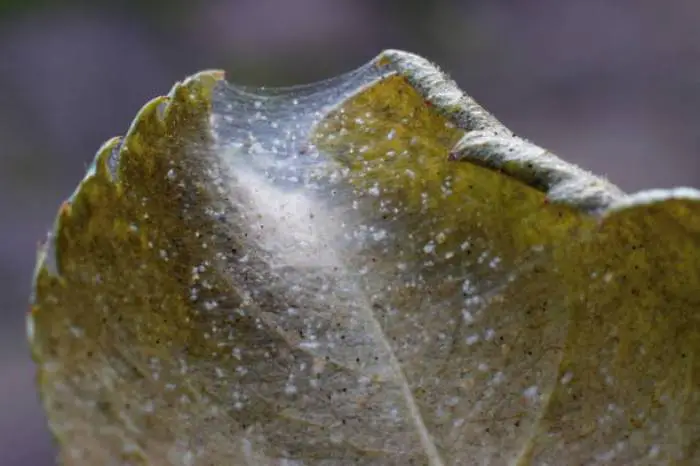
Mealybugs form white, cotton-like masses on the plant, particularly on stems and leaves. Scale manifests as brown, shell-like bumps primarily on the stems. Fungus gnats are tiny flies that hover around the soil of your plant, indicating their presence. Spider mites leave fine webbing, often on the undersides of the leaves, which can cause yellowing and stippling.
Natural Remedies and Prevention
Using natural remedies can effectively help manage and prevent pest infestations. Regularly inspecting your plants helps catch pest problems early before they become severe.
For prevention:
- Clean the Leaves: Wipe the leaves with a damp cloth to keep them dust-free and less inviting to pests.
- Isolate New Plants: Quarantine new plants for a couple of weeks to prevent introducing pests to your existing collection.
- Proper Watering: Avoid overwatering, which can attract fungus gnats.
Treating Infestations Effectively
When treating infestations, prompt action is crucial. Here are methods for handling each common pest:
- Mealybugs: Treat with neem oil or insecticidal soap. Dab affected areas with a cotton swab dipped in rubbing alcohol to remove the bugs.
- Scale: Apply neem oil or insecticidal soap. For small infestations, manually remove scale with a toothpick or fingernail.
- Fungus Gnats: Allow the soil to dry out more between waterings. Use sticky traps to catch adult gnats.
- Spider Mites: Increase humidity and spray the plant with water to dislodge mites. Neem oil can also be effective in treating these pests.
Summary Table
| Pest | Symptoms | Natural Remedies |
|---|---|---|
| Mealybugs | White, cotton-like masses | Neem oil, insecticidal soap |
| Scale | Brown, shell-like bumps | Rubbing alcohol, neem oil |
| Fungus Gnats | Tiny flies around the soil | Drying out soil, sticky traps |
| Spider Mites | Fine webbing on leaves | Water spray, neem oil |
Seasonal Care for Chinese Money Plant

Spring and Summer Care
Repot Pilea peperomioides early in spring or summer to give it a fresh start for the growing season. This yearly task ensures the plant has enough space for root development and prevents soil compaction. When selecting a new pot, choose one that is only a couple of centimeters larger in diameter to avoid over-potting.
Fertilizing is essential during spring and summer. Use a balanced all-purpose fertilizer once a month to support rapid growth. Dilute the fertilizer to half the recommended strength to prevent root burn. This regular feeding regimen helps provide the necessary nutrients as the plant enters its most active growth period.
For optimal growth during these warmer months:
- Ensure the plant receives bright, indirect light.
- Maintain regular watering schedules, ensuring the top inch of the soil dries out between waterings.
Fall and Winter Care
During the fall and winter seasons, Pilea peperomioides enters a period of dormancy when growth naturally slows down. Adjusting your care routine is crucial to avoid stressing the plant.
Watering frequency should be reduced as the plant’s water needs decrease in cooler temperatures. Ensure the soil remains slightly moist but not waterlogged. This adjustment helps prevent root rot, a common issue during the inactive growth phase.
Fertilizing is unnecessary in fall and winter. Over-fertilizing during these months can lead to nutrient buildup and potential soil toxicity, which can harm the plant. To protect from cold drafts and dry indoor air:
- Place the plant away from windowsills where cold air can seep in.
- Use a humidifier or a humidity tray to maintain adequate moisture levels in the air.
Seasonal Care Tips
Here are four essential tips to keep your Chinese Money Plant thriving through the changing seasons:
Spring/Summer:
- Repot annually in early spring or summer.
- Fertilize monthly with a balanced, diluted fertilizer.
Fall/Winter:
- Reduce watering frequency to prevent root rot.
- Avoid fertilizing to prevent nutrient buildup.
Adjusting your plant care routine with the seasons helps Pilea peperomioides grow effortlessly, ensuring it remains healthy year-round.
Enhancing the Growth of Chinese Money Plant
Rotating the Plant for Even Light Distribution
Rotating your Chinese Money Plant regularly is essential to ensure symmetrical growth. This simple action helps the plant receive balanced light exposure on all sides, preventing it from leaning towards the light source and developing an uneven appearance. Ideally, rotate the plant every few weeks to maintain its round, compact shape and promote uniform foliage growth.
Proper Fertilization for Vigorous Growth
To boost the growth of your Chinese Money Plant, fertilize it with a balanced, all-purpose fertilizer during the growing season. A fertilizer with equal parts nitrogen, phosphorus, and potassium (e.g., 10-10-10) works well. Apply the fertilizer monthly from spring through summer, diluting it to half the recommended strength to avoid overfeeding. Proper fertilization provides the essential nutrients needed for robust growth, lush foliage, and the overall health of the plant.
Avoiding Growth-Limiting Factors
Several factors can limit the growth of Pilea peperomioides, and addressing them is crucial for optimal plant health:
- Overwatering: Overwatering can lead to root rot, stunted growth, and yellowing leaves. Always ensure the soil is well-draining and allow the top inch to dry before watering.
- Poor Soil Conditions: Use a high-quality, well-draining potting mix to provide the necessary nutrients and aeration. Amending the soil with perlite improves drainage and prevents soil compaction.
- Inadequate Light: Position the plant in bright, indirect light. Insufficient light can cause leggy growth and small, pale leaves. If natural light is limited, consider using a grow light to supplement.
Advanced Growth Tips for a Healthier Chinese Money Plant
- Prune Regularly: Trim away dead or damaged leaves to encourage new growth and maintain plant health.
- Air Circulation: Ensure good air circulation around the plant to prevent mold and mildew. Avoid placing it too close to other plants.
- Monitor Humidity: Maintain moderate to high humidity levels to enhance growth. Use a humidity tray or room humidifier if indoor air is dry.
- Check for Pests: Regularly inspect the plant for pests like mealybugs and spider mites, treating infestations promptly to avoid growth issues.
- Repot When Necessary: Repot the plant annually or when it becomes root-bound to provide fresh soil and room for growth.
By following these advanced tips and maintaining a consistent care routine, you can ensure your Chinese Money Plant thrives, displaying its full potential with vibrant, healthy foliage.
Repotting Chinese Money Plant

Why and When to Repot
Annual repotting is vital for maintaining a healthy Chinese Money Plant. Repotting encourages fresh growth, prevents soil compaction, and provides additional space for root expansion. The best time to repot is during spring or early summer when the plant is in its active growth phase. Avoid repotting in fall or winter, as this can stress the plant during its dormant period.
Step-by-Step Guide to Repotting
- Select the Right Pot: Choose a pot that is one to two inches larger in diameter than the current one. Ensure the pot has drainage holes to prevent waterlogging, which can lead to root rot.
- Prepare the New Pot: Fill the new pot with a high-quality, well-draining potting mix. Incorporate perlite to enhance drainage and prevent soil compaction.
- Remove the Plant: Carefully remove the Chinese Money Plant from its current pot. If it’s root-bound, gently tease out the roots to encourage outward growth. Inspect roots for signs of disease or rot, trimming any affected areas with sterilized scissors.
- Repot the Plant: Place the plant in the center of the new pot. Fill in around the roots with the prepared potting mix, ensuring the base of the stem sits just above the soil surface. Press the soil gently to eliminate air pockets.
Aftercare Tips
After repotting, ensure your plant acclimates well to its new environment.
- Watering: Water thoroughly right after repotting to help the soil settle. Let excess water drain completely.
- Placement: Place the plant in a spot with bright, indirect light. Avoid direct sunlight, which could stress the newly repotted plant.
- Monitoring: Keep an eye on the plant for the first few weeks. Look for signs of stress, such as wilting or yellowing leaves, and adjust care routines as needed.
Essential Steps for Successful Repotting
- Select a suitable pot with drainage holes
- Use a well-draining potting mix with added perlite
- Gently remove and inspect the plant’s roots
- Ensure proper soil level and water thoroughly
| Attribute | Details |
|---|---|
| Frequency | Annually |
| Best Time | Spring or early summer |
| Ideal Pot Size | One to two inches larger than the current pot |
| Soil Type | Well-draining, high-quality potting mix with perlite |
By following these guidelines, you can successfully repot your Chinese Money Plant and promote its continued health and growth.
Benefits of Growing Chinese Money Plant
The Chinese Money Plant stands out for its visual appeal due to its coin-shaped leaves, adding a unique aesthetic to any interior space. Its glossy foliage and compact form make it a versatile choice for various decor styles and spaces, from homes to offices.
Another significant advantage is the plant’s ease of care. Chinese Money Plants are low-maintenance, making them ideal for beginners and busy individuals. They thrive in bright, indirect light and can tolerate a range of indoor conditions, ensuring they remain healthy with minimal effort.
The plant’s non-toxic nature is particularly beneficial for households with pets or children. Unlike many other houseplants, Pilea peperomioides do not pose a risk of poisoning if accidentally ingested, providing peace of mind for pet owners and parents.
Additionally, the Chinese Money Plant’s ability to produce offshoots, or “pups,” is a notable benefit. These offshoots can be easily propagated, allowing you to expand your plant collection or share them with friends and family. This propagation feature not only makes the plant affordable but also adds an element of enjoyment to its cultivation.
Key Benefits of Growing a Chinese Money Plant
- Visual Appeal: Glossy, coin-shaped leaves enhance interior decor.
- Ease of Care: Low maintenance and tolerant of indoor conditions.
- Non-Toxic: Safe for homes with pets and children.
- Propagation: Produces offshoots (“pups”) for easy sharing and expanding.
The combination of aesthetic value, ease of care, safety, and propagation abilities make the Chinese Money Plant a highly desirable houseplant for both novice and experienced growers.
Common Mistakes to Avoid When Growing Chinese Money Plant

Proper Watering and the Risks of Overwatering
Proper watering is crucial for the health of the Chinese Money Plant. Overwatering is one of the most common mistakes and can lead to root rot, which is often fatal for the plant. Always check that the top inch of soil is dry before you water the plant. Drooping leaves are usually a good indicator that the plant needs water, but if the leaves are yellowing and the soil remains wet, you’re likely overwatering.
To avoid these mistakes:
- Use well-draining soil.
- Ensure your pot has drainage holes.
- Remove any excess water that collects in the saucer.
Adequate Light and Regular Rotation
Adequate light and regular rotation are key to maintaining a healthy plant. Insufficient light can result in leggy growth and small, pale leaves, while too much direct sunlight can scorch the foliage. Place your plant in bright, indirect light. Rotate the plant every few weeks to ensure all sides receive equal exposure, promoting even growth.
To avoid light-related issues:
- Position the plant about 2 meters from a south-facing window or near east or west-facing windows.
- Observe leaf color and growth patterns as indicators for light adjustment.
Additional Care Tips to Avoid Common Pitfalls
Avoiding common pitfalls in plant care will help in maintaining a healthy Chinese Money Plant. One mistake is not providing adequate humidity, which can cause leaf edges to turn brown and crispy. Another is neglecting to inspect for pests, which can spread quickly and damage the plant.
Here are some tips:
- Maintain moderate to high humidity using a humidity tray or room humidifier.
- Inspect the plant regularly for pests like mealybugs and spider mites.
- Avoid placing the plant near drafty windows or heating vents to maintain a stable environment.
Common Mistakes and How to Avoid Them
Overwatering:
- Ensure the top inch of soil is dry before watering.
- Use pots with drainage holes and well-draining soil.
Insufficient Light:
- Place the plant in bright, indirect light.
- Rotate the plant every few weeks for even growth.
Lack of Humidity:
- Use a humidity tray or room humidifier.
- Group plants together to create a humid micro-environment.
Ignoring Pests:
- Inspect regularly for pests.
- Use neem oil or insecticidal soap if pests are detected.
Environmental Stress:
- Avoid placing the plant near drafts or heat sources.
- Maintain a stable temperature between 60°F and 75°F.
By being mindful of these common mistakes and following these best practices, you can ensure your Chinese Money Plant thrives with minimal effort.
Final Thoughts on How to Grow Chinese Money Plant (Pilea Peperomioides)
Caring for a Chinese Money Plant involves understanding its unique needs.
From ideal lighting and temperature conditions to using well-draining soil and proper watering practices, each step ensures your Pilea Peperomioides thrives.
Additionally, propagating new plants and addressing common issues keep your plant healthy and vibrant.
With the right care, this low-maintenance houseplant not only enhances your home’s aesthetic but also provides an opportunity for sharing its beauty through propagation.
Embrace these practices to enjoy a flourishing Chinese Money Plant year-round.
FAQ
Where is the best place to put a Chinese money plant?
The best place to put a Chinese Money Plant is in bright, indirect light, about 2 meters from a south-facing window or near east or west-facing windows.
How do I make my Chinese money plant thrive?
To make your Chinese Money Plant thrive, ensure it receives bright, indirect light, water when the soil is nearly dry, and fertilize monthly during spring and summer using a balanced, all-purpose fertilizer.
How do you care for a Pilea plant indoors?
To care for a Pilea plant indoors, place it in bright, indirect light, water when the top inch of soil is dry, and ensure good humidity levels. Rotate the plant to maintain even growth.
How often should I water a Chinese money plant?
Water your Chinese Money Plant every 1-2 weeks during spring and summer, and every 2-3 weeks in fall and winter. Water thoroughly when the top inch of soil is dry.
How often should I water a Chinese money plant?
Water your Chinese Money Plant every 1-2 weeks during spring and summer, and every 2-3 weeks in fall and winter. Water thoroughly when the top inch of soil is dry.
What type of soil is best for Chinese money plant?
A well-draining soil that is rich in nutrients and a pH between 6-7 is best for your Chinese Money plant.
How do you propagate a chinese money plant?
Propagate a Chinese Money Plant by separating offshoots from the root system or stem nodes. Place the offshoots in water or soil, ensuring they remain moist until roots establish.
Can you grow a chinese money plant in water?
Yes, you can grow a Chinese Money Plant in water by placing cuttings or offshoots in a glass of water. Ensure the base is submerged and change the water weekly until roots develop.
What is the spiritual meaning of the Chinese money plant?
The spiritual meaning of the Chinese Money Plant is associated with good fortune and prosperity. It is believed to bring positive energy and wealth into a space.
Do Chinese money plants flower?
es, Chinese Money Plants can flower, producing small, white blooms under optimal conditions. However, indoor flowering is rare and not crucial for the plant’s health.