Best 5 Fruit Trees For Alkaline Soil

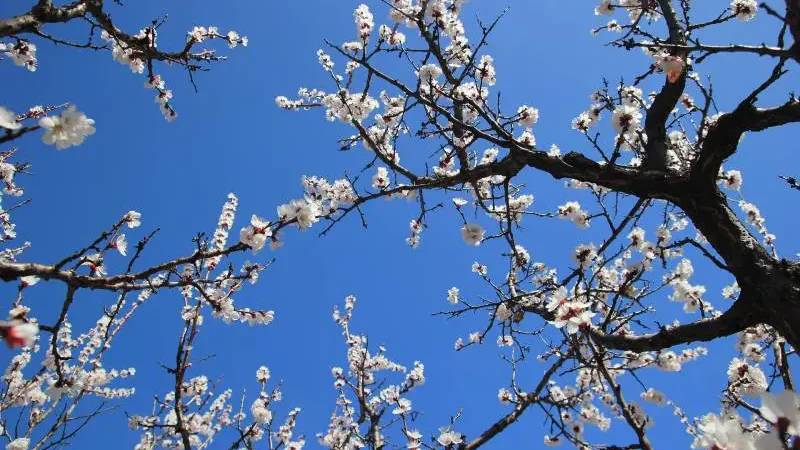
Are you looking for the right fruit trees for alkaline soil?
Having it in your garden isn’t ideal, especially if you want to plant fruit trees. The good news is that some fruit trees can be planted in alkaline soil. One thing that you need to make sure about is that you plant the right fruit trees in the correct type of soil. Otherwise, you might have a problem with growing your trees successfully.
Or, your fruit might not taste delicious. Read on because this blog post if for you!
What Causes Alkaline Soil?
Alkaline soil can be caused by the natural weathering of minerals or man-made sources such as pollution, softened water used for irrigation, and wet cooling towers. It can have pros and cons, such as making it possible to grow certain soil plants that won’t thrive in acidic soil but making it difficult to grow acid-loving plants and making nutrients less available.
Alkaline soil can be managed by adding organic matter to the soil to make it more acidic, adding fertilizer to supply any missing nutrients, and testing the soil regularly to ensure it is within the optimal range for the plants you are growing.
It’s also important to consider the soil’s climate and location, as alkaline soil is more common in hot places with lower rainfall. To ensure the soil stays at the optimal pH level for your plants, monitoring and adjusting the pH level as needed is important.
This can be done using a soil testing kit, which will give you the precise pH level of your soil. Additionally, it may be necessary to adjust the pH level by adding compost, sulfur, or lime.
Make Sure That You Have the Right Alkaline Soil
Before we get to the type of fruit trees you can plant in your alkaline soil, and you need to know what it is and its pH balance.
When using a soil tester, you will know exactly what type of soil you have. If you have acidy or alkaline soil, this is something that you need to test every time you are planting something in your garden. If the soil test shows a PH level below 7.0pH, then the soil is acidic.
When the soil is below 7.0pH, you have alkaline soil.
You can buy these soil tests at supermarkets.
The Best Fruit Trees That You Can Grow in Alkaline Soil
By researching, you might find that fruit and vegetables there isn’t much you can plant in alkaline soil, especially if you want to plant fruit trees. However, these fruit trees will grow successfully in alkaline soil because they will tolerate high pH levels.
If you want to plant any one of these mentioned fruit trees, and the pH levels aren’t correct, you can add some nutrients that you can buy to make your soil alkaline soil with higher pH levels.
Apricot Trees
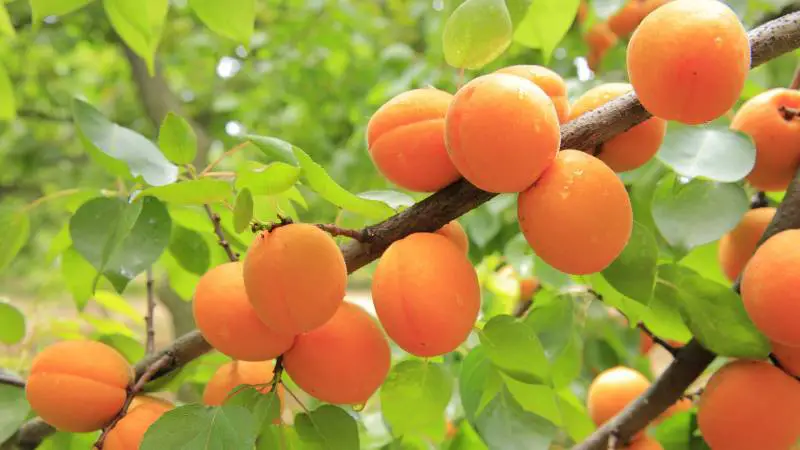
Apricot trees are fruit trees that will grow the best in alkaline soil. This is because the trees want soil that is higher than 6.0pH. This means that they will grow in alkaline soil rather than acidic soil. You might want to add enough feed to reduce your soil’s pH level to ensure that the soil’s pH level doesn’t go higher than 8.0. This will ensure the best-tasting apricots and the healthiest fruit tree.
Fig Trees
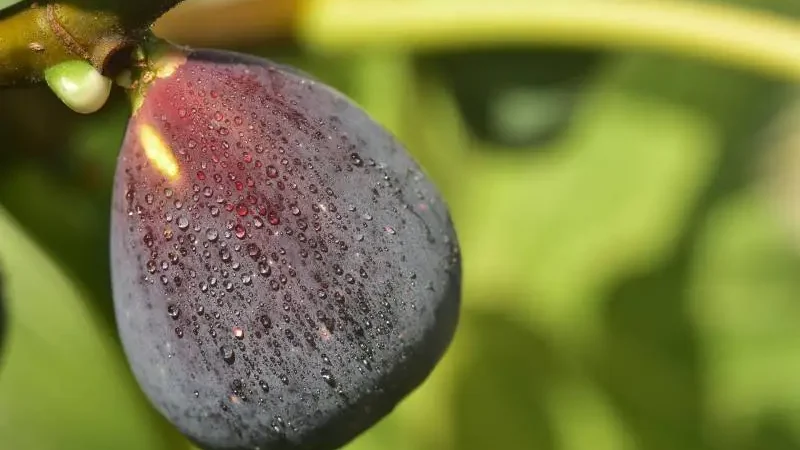
When you have high pH level soil, you can plant just one fruit tree successfully – the fig tree. This is a tree that prefers high pH levels. The higher the levels, the better and healthier the tree will grow.
Ensuring the fig tree gets enough water, sunlight, and the right feedings are essential for a correctly grown tree. A fig tree can die easily if you don’t take correct care of it.
Some Berries Varieties
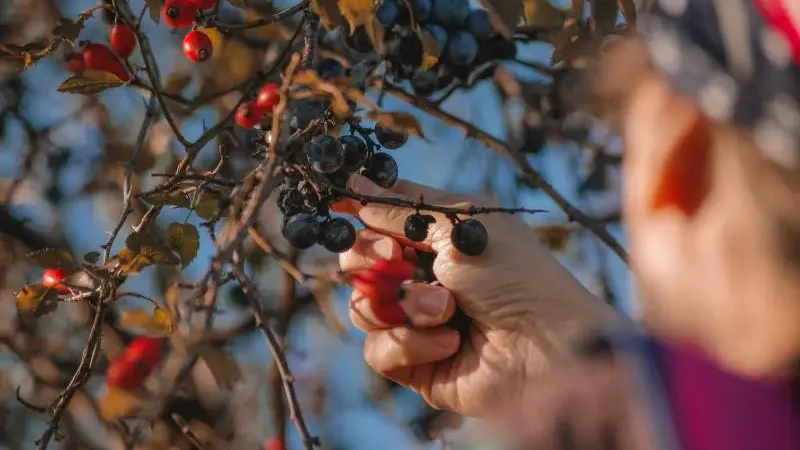
If you love berries, then we have some good news for you. You will be able to plant a variety of berries in alkaline soil with a higher pH level than 7.0. But you need to be careful; not all berries prefer alkaline soil. Some prefer acidy soil and will die in soil that has a high pH level.
The berries that you can plant successfully will include:
- Alder-Leaved Serviceberry
- Black Sapote
- Blackberry
- Panama Berry
Guava
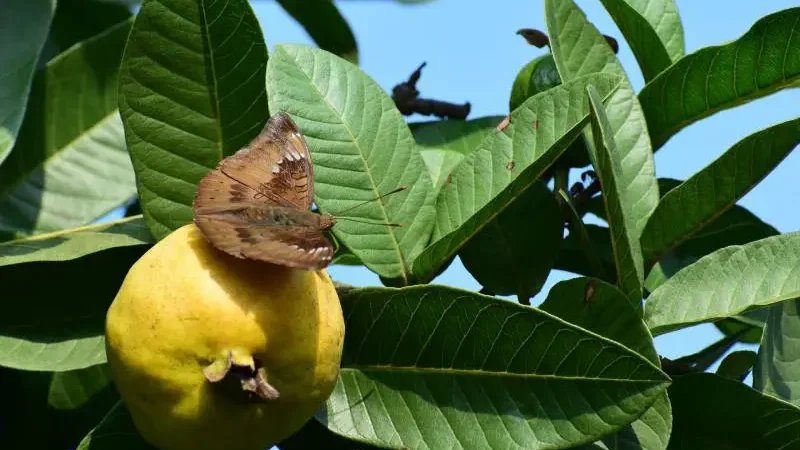
Even if the guava tree prefers soil with a pH above 7.0, it can tolerate higher pH levels. This is why guavas are known to be versatile fruit trees. It might grow better in acidic soil, but it will still grow successfully and have sweet fruit in alkalic soil. You must ensure you have all the information about the guava tree and how to care for it correctly before choosing to plant it in your alkalic soil.
You need to know some essential information about guava trees first. They are temperature sensitive and can’t grow in just any part of the country. Extra feedings and the right amount of water are essential to growing a guava tree successfully.
Citrus Fruit Trees
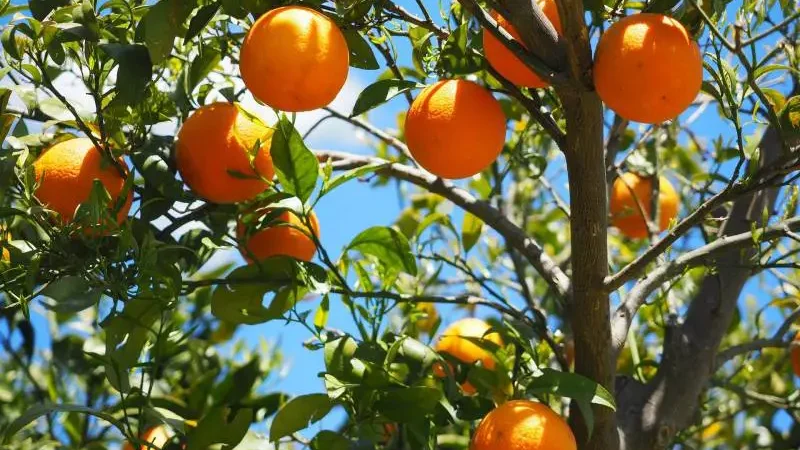
Any citrus fruit prefers a higher pH level, preferably over 7.0pH. Citrus fruit will tolerate clay soil but cannot grow in coastal, salty soil. Other than that, it can grow in any soil. In general, citrus fruit is easy to grow; their trees grow big and bear lots of fruit during the season.
Just something to remember is that the weather and climate play a huge role in growing citrus fruit trees successfully.
Tips When Growing Fruit Trees in Alkaline Soil Successfully
- You need to make sure that you are testing the soil correctly. If you were planting fruit trees in alkaline soil and made a mistake with your testing and readings, you could be making a huge mistake.
- Planting trees and other plants in the wrong soil type will kill the tree and not grow successfully.
- If you are worried about getting the soil tested, you can always take a soil sample to a professional. Then, you will get a more accurate reading.
- Even if you plant your fruit trees in alkaline soil, you must remember that the trees still need feeding and the right temperature and climate to grow successfully.
Conclusion
Having alkaline soil in your backyard doesn’t mean that you will never be able to grow any fruit trees. It just means that you need to be careful about the type of tree you will plant. Most fruit and vegetable and fruits plants prefer lower pH levels, which means that it prefers acidy soil. But, the fruit trees we mentioned can also be planted in alkaline soil.
With all this information, you will know more about pH levels, fruit trees that can tolerate these levels, and other tips for growing fruit trees successfully.