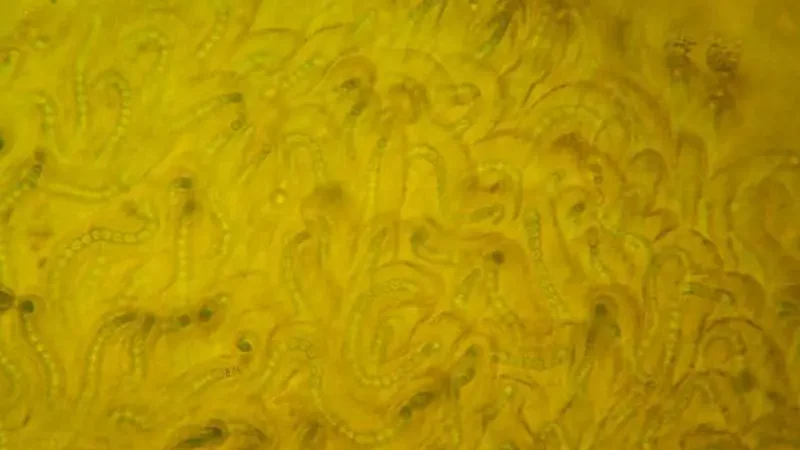
You’re not alone if you’ve come across Nostoc algae—a slimy, jelly-like substance that looks like something out of a science fiction movie. Often found in gardens, driveways, or lawns, this blue-green growth has earned nicknames like “witches’ butter” for its eerie, unappealing appearance.
Despite its strange look, Nostoc is a natural organism. However, it can be a nuisance in outdoor spaces, especially after rain or in poorly drained areas. Thankfully, there are safe and effective ways to get rid of Nostoc algae—and restore the beauty of your garden or yard—without damaging your plants or harming the environment.
In this guide, we’ll walk you through what Nostoc is, why it shows up, and how to remove it from various surfaces like lawns, driveways, and garden beds using eco-friendly methods.
How To Get Rid Of Nostoc Algae Naturally
Getting rid of Nostoc algae, or Nostoc cyanobacteria, can be quite a challenge due to their resilience and survival ability in harsh conditions.
Fossil records indicate that this is a primitive organism that has existed since before the dinosaurs’ times. It has even survived the Ice Age. However, there are natural methods you can take to manage and effectively reduce their presence.
Physical Removal
Removing Nostoc can be effective, and more easily so when it forms patches on driveways, walkways, mats, or garden pots. On a dry day, simply remove it using a stiff brush or a scraper. All parts will need to be bagged up and disposed of. Avoid having any contact with water sources or any other wet areas where you do not want it to colonize.
Improve Drainage
Nostoc often thrives in compacted, poorly-drained soils, such as clay soil, where water can puddle on the surface. Improving the structure of your soil with organic matter will help to break down heavy clay and improve drainage. A top dressing of sand is also good for keeping areas dry.
In addition, aerating your lawn or garden will help improve soil drainage and allow for more air circulation and light. Both these methods will go a long way towards reducing the moist conditions that Nostoc favors.
Making changes to your landscape’s levels can help prevent the conditions preferred by this algae. Adding slopes or drains will also significantly help redirect water away from problem areas.
Limit Watering
Nostoc needs moisture to thrive. Limiting watering in affected areas can help dry out the cyanobacteria and inhibit its growth. After chores, such as cleaning the car, use a yard broom to sweep away excess water to nearby drains.
Be mindful of overwatering gardens and lawns, as Nostoc is one of the many problems that can occur. Overwatering is one of the main reasons for poor garden health, which we cover in many of our articles.
Increase Sunlight Exposure
Sunlight exposure is a good way of drying out Nostoc colonies. Prune back untidy or unnecessary branches from trees and bushes to reduce shade over affected areas. Keep your yard or garden free of rubbish or debris, which is one way to get rid of nostoc algae.
Remove it so air and light can freely circulate, too. This will help speed up the drying out of affected areas and remove the favorable conditions in which Nostoc thrives.
Promote Healthy Lawn and Garden Practices
Nostoc doesn’t actually kill off your lawn; it usually fills in the areas where the grass hasn’t grown. By maintaining a healthy, dense lawn or ground cover, you can limit the space available for Nostoc to grow. Overseed your lawn, especially any bare patches, to keep these spaces filled with grass.
Also, ensure your lawn has adequate nutrients, particularly nitrogen. Since Nostoc can fix atmospheric nitrogen, nutrient-poor soils can encourage its growth. Applying the correct type of fertilizer based on soil tests can help suppress Nostoc by promoting grass growth instead.
Mow your grass regularly to encourage thicker growth, and remove all grass cuttings each time. If cuttings are left, rainwater can collect on the surface, providing an ideal breeding ground for Nostoc. Also, aerate your lawn by making holes using a garden fork, then use a rake to remove any dead debris or thatch.

Will Salt Kill Nostoc?
Using salt to kill Nostoc is not generally recommended as a control method.
In small quantities, it can improve the aeration of your soil. However, in larger quantities, it can harm the good bacteria and fungi essential for breaking down organic matter.
The use of salt is really a quick fix and short-term solution. It may initially reduce the visible presence of Nostoc, but it won’t remove or kill the cyanobacteria’s spores embedded in the soil. These spores can remain dormant for extended periods and reactivate when conditions suit, leading to a resurgence of Nostoc growth.
Alternatives to Salt
To manage Nostoc using a more natural approach while lessening the impact on the environment, consider the following methods:
- Physical Removal: Manually remove Nostoc at first sight. Use a stiff yard brush to sweep driveways or a scraper to eliminate the colonies from smaller surfaces.
- Improve Drainage: Enhance soil and area drainage to reduce the moisture levels in which Nostoc thrives. Address areas of water pooling and either drain or fill in.
- Increase Sun Exposure: Remove or drawback awnings on patios to allow more light and air in affected areas. Keep areas of planting pruned and cut back.
- Drying Out the Area: Allowing the soil or surface to dry out thoroughly, as Nostoc requires moisture to thrive. Top dress areas with sand or dry soil to absorb excess moisture.
Will Bleach Kill Nostoc Algae?
Bleach (sodium hypochlorite) is a strong oxidizing agent that kills Nostoc by breaking down its cellular structures and disrupting its metabolic processes. When applied directly to Nostoc, the bleach typically causes it to die off, and you should soon notice a visible reduction in the cyanobacteria.
If you want to use bleach, dilute it appropriately (typically about one part bleach to ten parts water) and apply it directly to the Nostoc-affected areas. It will also be necessary to protect the surrounding environment from any contact. Also, take care of any overspray or runoff.
We advise wearing gloves and eye protection when handling bleach and avoiding inhaling strong fumes.
Tip: Add a tablespoon of laundry detergent to the bleach solution so that treated surfaces are cleaned simultaneously.
While bleach can get rid of existing visible Nostoc algae, it does not necessarily remove or kill the spores embedded in the topsoil or a few inches deeper. Therefore, Nostoc might reappear if other recommended guidelines are not applied in addition to these measures.
Alternatives to Bleach
Given the potential risks associated with using bleach, consider these less harmful methods to manage Nostoc:
- Manual Removal: Physically removing Nostoc by scraping or power-washing (where appropriate) can reduce the amount without harmful chemicals. A wet-dry vacuum is also useful in removing excess moisture from infected areas.
- Improve Environmental Conditions: Adjust conditions that favor Nostoc growth—improve soil drainage, reduce watering, and increase sun exposure to affected areas. Repair dripping outdoor taps that can cause water run-off. Check for blocked drains, too, as they can cause moisture to build up.
- Natural Remedies: Vinegar or boiling water can be an effective, more environmentally friendly option for killing Nostoc on hard surfaces like driveways or patios. Though effective, these methods may still harm nearby plant life if there is any contact.
Will Vinegar Kill Nostoc?
Vinegar is very effective at controlling Nostic, and if reapplied several times, it could also kill it. However, to be most effective, it has to be of a type that has a high acetic acid concentration. Household white vinegar typically has around 5% acetic acid, which is enough to do some damage and halt the spread. However, horticultural vinegar with 20-30% acetic acid is much stronger and more effective.
Pour or spray the vinegar directly onto the Nostoc-infested area. Ensure thorough coverage with all parts of the Nostoc to weaken it.
One application of horticulture vinegar might not eradicate Nostic completely the first time. Depending on the area involved, repeated applications might be necessary.
Note: Vinegar can be harmful to nearby plants if in direct contact with them and damage some surfaces. It can be diluted to minimize its effects if you have any concerns regarding any potential harm it may cause. However, be aware that if diluted, it will reduce its effectiveness against Nostoc. It will become more of a method of control as opposed to killing it off completely.
Alternatives to Vinegar
If you prefer not to use vinegar, consider other methods, such as:
- Physical Removal: Removing Nostoc by scraping it off can be effective for immediate results.
- Improving Conditions: Addressing the conditions that favor Nostoc growth, like excess moisture and poor drainage, can help prevent its return.
How To Get Rid Of Lawn Algae
Lawn algae typically thrive in wet, shady areas with poor soil quality. Here’s a step-by-step guide on how to effectively manage and eliminate lawn algae:
Improve Drainage
Aerating your lawn will greatly improve drainage and reduce waterlogging, making it more difficult for algae growth to establish in the first place. A lawn aerator or a garden fork is ideal for creating holes in the soil, allowing air, water, and nutrients to penetrate deeper into the ground.
If your soil is heavy and clay-like, like the type I garden with, consider amending it with organic material. Dig in loads of organic material, compost, and even sand to improve its structure and drainage. Add sand at the ratio of 3 inches depth of sand to 6 inches depth of soil.
For areas that still hold onto water and are infected, you might have to resort to putting in drainage trenches. These trenches will need to slope away from the infected area. They can be trenches dug out and filled back in with gravel or other hardcore materials.
You could also lay a drainage pipe instead. But consider where the water will eventually drain off. You don’t want to create another breeding ground for Nostoc to take hold.
Reduce Watering
Overwatering and shallow watering can contribute to algae growth. To avoid water from puddling on the surface, water your lawn deeply but less frequently. This encourages deeper root growth and reduces the surface moisture that algae prefer to grow in.
Watering early in the morning will give the lawn time to dry out during the day, decreasing the likelihood of overnight dampness that promotes algae growth. This is especially true in humid environments, where heat combined with moisture can accelerate the growth of Nostic.
Increase Sunlight
Trim Tree Branches: Cutting back overhanging branches can reduce shade on your lawn, thereby increasing sunlight exposure and reducing the moisture retention that algae favor. Remove any unnecessary items that cast shade, too, especially in areas of footfall. Nostic can be extremely slippery, so extra care is essential in areas well-trod.
Manage Lawn Nutrition
Under-fertilizing can lead to weak grass susceptible to algae invasion, while over-fertilizing, especially with high nitrogen levels, can increase soil acidity and moisture—both are perfect recipes for algae to grow and thrive. A balanced slow-release fertilizer based on a soil test is recommended. For larger lawns, it might be necessary to carry out more than one test, as different areas can have varying levels of nutrients.
Physical Removal
Removing the algae with a rake or net can be effective in small areas. However, it is a temporary measure and should be used in conjunction with other methods of control.
Use Algaecides
If natural methods aren’t insufficient, you should probably consider using algaecides. To avoid damaging the grass, only choose products specifically designed for lawn use. Always follow the manufacturer’s instructions for application rates and safety precautions.
Improve Lawn Health
Planting grass seed in thin areas can help improve the density of your lawn, which can outcompete algae for nutrients and sunlight.
Keeping your lawn healthy through regular mowing (at the correct height), dethatching, and overseeding can all make it less suitable for algae to grow in.
How To Get Rid Of Nostoc Algae In Yard
Small amounts of Nostoc algae in your yard are generally harmless and beneficial due to their nitrogen-fixing properties. However, you may want to control its growth if it becomes excessive or unsightly or is in an area with footfall. Besides its ugly appearance, Nostic algae is extremely slippery and potentially dangerous.
To get rid of Nostoc algae in your yard, you can try the following methods:
Improve Drainage
Nostoc thrives in moist conditions. To ensure proper drainage in your yard, address any low spots or areas where water accumulates. This could be around the base of water butts or containers, garden taps, and water hoses. Soil, when aerated, can also help improve drainage. Keep outdoor potted plants on risers so water can drain away freely and disperse in the process.
Reduce Watering
Nostoc needs water to grow, so reduce the frequency and duration of watering your lawn. Remember to water in the morning, and if using a sprinkler system, set a timer so no areas become waterlogged. It is better to be slightly underwater than to be overwater.
Physical Removal
You can physically remove Nostoc by raking or scraping it off the surface for smaller patches. Be sure to dispose of it properly to prevent it from spreading. It can also be removed from driveways with a shovel and disposed of before cleaning the area.
Apply Herbicides
There are several herbicides that are effective against Nostoc. Products containing pelargonic acid (e.g., Scythe) or potassium salts of fatty acids have proved effective. However, these can also harm other plants, so always use them cautiously and follow the label instructions.
Copper Sulfate
In some cases, copper sulfate may be used to control Nostoc. It is essential to consult with a lawn care professional before using copper sulfate, as it can upset the ecosystem in your garden. Plants and animals can also be harmed if copper sulfate is not used properly.
Use a Commercial Moss and Algae Killer
Several commercial products, including Nostoc, are designed to kill moss and algae. Look for products containing iron sulfate or potassium salts of fatty acids.
How To Get Rid Of Nostoc Algae In A Gravel Driveway
Getting rid of Nostoc algae from a gravel driveway requires a combination of physical removal, cleaning, and precautions to prevent it from returning.
Physical Removal
Start by physically removing the Nostoc algae. Break down the colonies of algae as much as possible using a rake, broom, or brush. This is best done when the algae is dry, as it is less slippery and easier to dislodge. Use a shovel to scoop up and dispose of.
Follow up with a power washer to remove any remaining algae and thoroughly clean the gravel. The force of the water can help with dislodging algae embedded between the gravel pieces.
Note: Always wear protective gloves, eye protection, and clothing when removing Nostic from any area in your garden or yard.
Environmental Adjustment
Ensure that your driveway has proper drainage. Check for areas that need leveling out, as this is where water will collect. You might have to adjust the slope of your driveway or even add additional drainage paths to help water flow away more effectively.
If your driveway borders a lawn or garden, reduce the water you use or adjust sprinklers to minimize water splashing onto the gravel area.
Preventive Measures
- Regular Maintenance: Regularly rake or turn over the gravel to disrupt any Nostoc trying to establish itself. Keeping the gravel loose can prevent algae from taking hold.
- Chemical Treatments: If natural methods are insufficient, consider applying chemical treatments. However, be cautious with these chemicals as they can affect nearby plant life and soil chemistry. Always dilute according to guidelines to minimize any environmental impact.
- Barrier Installation: Consider installing a geotextile barrier under the gravel. This can help prevent algae from entering the soil beneath the driveway.
Is Nostoc Harmful To Humans?
Nostoc cyanobacteria, generally, are not directly harmful to humans or pets in terms of toxicity when touched or handled. However, there are specific considerations to keep in mind regarding their presence:
Slip Hazard
Nostoc can pose a significant slip hazard, particularly on wet surfaces like sidewalks, driveways, or decks. Its gelatinous, slippery texture can be perilous, potentially leading to falls and injuries.
Water Quality Concerns
While Nostoc is not toxic, blooms of Nostoc and other cyanobacteria in water bodies can be linked to producing harmful toxins known as cyanotoxins.
These toxins can pose health risks to humans and animals if they contaminate drinking water sources or come into direct contact with recreational activities in and around water. It is crucial to be aware that not all Nostoc blooms produce toxins, though the potential exists.
Allergic Reactions
In rare cases, some people might experience skin irritations or allergic reactions after contacting Nostoc or other cyanobacteria. This is less common and usually not severe, but it is something to be aware of if you have sensitive skin or suffer from other allergies.
Impact on Pets
Pets, particularly dogs, might be at risk if they ingest Nostoc, especially from dried or fresh growths in yards or along paths. The potential for toxin production means that pets could suffer from poisoning. The typical signs of this are vomiting and diarrhea. More severe health issues can also be a problem depending on the exposure level and the specific toxins present.
Conclusion
Your garden should be a place of beauty, balance, and peace—not one overtaken by a slimy, jelly-like nuisance. Nostoc algae may look alien and stubborn, but it doesn’t stand a chance against an informed gardener.
With the practical tips and safe removal methods in this guide, you’re now well-equipped to identify, manage, and prevent Nostoc from disturbing your outdoor space. Whether it’s lurking on your lawn, driveway, or garden beds, you can tackle it without harming your plants—or the environment.
Stay consistent, be patient, and protect your garden’s harmony. You’ve got this.